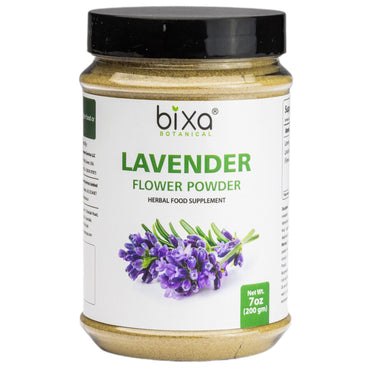
Description
NERVE WELLNESS:
The Nervous System uses electrical and chemical means to help all parts of the body to communicate with each other. The brain and the spinal cord make up the central nervous system. They are wrapped in a thin lining called meninges and bathed with
cerebrospinal fluid (CSF). Nerves everywhere else in the body are part of the peripheral nervous system. The messages travelling in your nerves are sent through billions of nerve cells called neurons. The spaces between these cells are called synapses.
The cells are linked to one another through chemicals called neurotransmitters that move across the synapses to the next neuron. Dopamine and serotonin are types of neurotransmitters.
Anatomy of the autonomic nervous system
The autonomic nervous system is the part of the nervous system that supplies the internal organs, including the blood vessels, stomach, intestine, liver, kidneys, bladder, genitals, lungs, pupils, heart, and sweat, salivary, and digestive glands.
Function of the autonomic nervous system
The autonomic nervous system controls internal body processes such as the following:
Blood pressure, Heart and breathing rates, Body temperature, Digestion, Metabolism (thus affecting body weight), The balance of water and electrolytes (such as sodium and calcium), the production of body fluids (saliva, sweat, and tears), Urination,
Defecation, Sexual response.
The autonomic nervous system has two main divisions: Sympathetic, Parasympathetic
After the autonomic nervous system receives information about the body and external environment, it responds by stimulating body processes, usually through the sympathetic division, or inhibiting them, usually through the parasympathetic division.
Many organs are controlled primarily by either the sympathetic or the parasympathetic division. Sometimes the two divisions have opposite effects on the same organ. For example, the sympathetic division increases blood pressure, and the parasympathetic
division decreases it. Overall, the two divisions work together to ensure that the body responds appropriately to different situations.
Generally, the sympathetic division does the following:
Prepares the body for stressful or emergency situations—fight or flight. Thus, the sympathetic division increases heart rate and the force of heart contractions and widens (dilates) the airways to make breathing easier. It causes the body to release
stored energy. Muscular strength is increased. This division also causes palms to sweat, pupils to dilate, and hair to stand on end. It slows body processes that are less important in emergencies, such as digestion and urination.
The parasympathetic division does the following:
Controls body process during ordinary situations. Generally, the parasympathetic division conserves and restores. It slows the heart rate and decreases blood pressure. It stimulates the digestive tract to process food and eliminates wastes. Energy
from the processed food is used to restore and build tissues.
Both the sympathetic and parasympathetic divisions are involved in sexual activity, as are the parts of the nervous system that control voluntary actions and transmit sensation from the skin (somatic nervous system). Two chemical messengers
(neurotransmitters) are used to communicate within the autonomic nervous system: Acetylcholine & Norepinephrine. Nerve fibers that secrete acetylcholine are called cholinergic fibers. Fibers that secrete norepinephrine are called adrenergic
fibers. Generally, acetylcholine has parasympathetic (inhibiting) effects and norepinephrine has sympathetic (stimulating) effects. However, acetylcholine has some sympathetic effects. For example, it sometimes stimulates sweating or makes the
hair stand on end.
Autonomic disorders may result from disorders that damage autonomic nerves or parts of the brain that help control body processes, or they may occur on their own, without a clear cause. Common causes of autonomic disorders are - Diabetes
(the most common cause), Peripheral nerve disorders, Aging, Parkinson disease, Other, less common causes include the following: Autonomic neuropathies, Multiple system atrophy, Pure autonomic failure, Spinal cord disorders, certain viral
infections, Injury to nerves in the neck, including that due to surgery.
Symptoms
Autonomic disorders commonly cause dizziness or light-headedness due to an excessive decrease in blood pressure when a person stands (orthostatic hypotension). People may have imbalance while walking, mild tremors, muscle weakness and numbness.
People may have issues relating to nervousness, loss of memory, forgetfulness. People may sweat less or not at all and thus become intolerant of heat. The eyes and mouth may be dry. After eating, a person with an autonomic disorder may feel
prematurely full or even vomit because the stomach empties very slowly (called gastroparesis). Some people pass urine involuntarily (urinary incontinence), often because the bladder is overactive. Other people have difficulty emptying the bladder
(urine retention) because the bladder is nderactive. Constipation may occur, or control of bowel movements may be lost. The pupils may not dilate and narrow (constrict) as light changes. In men, difficulty initiating and maintaining an erection
(erectile dysfunction) can be an early symptom of an autonomic disorder.
FAQ's
Q. What are Herbal powders?
The useful part of Herbs or medicinal plant is selected, dried, powdered & sieved to 40 or 60 mesh. They can be easily stored and transported.
Q. How effective are Herbal Powders?
They are very effective and fast acting if taken as recommended for particular illness and in correct dosage, as suggested by health practitioner. The result may be seen within 5-7 days.
Q. What is the Shelf life of Herbal Powders?
Generally dried powdered herbs if stored properly never get spoiled or damaged. They may be less effective after 5 years of manufacturing.
Q. What are the importance of Herbal medicines?
Herbal medicines are derived from Natural, Pure Herbs with Natural origin. They work as per their content of natural, pure Bio-active substances (Glucosides), which are not chemicals and not artificially induced! Hence no
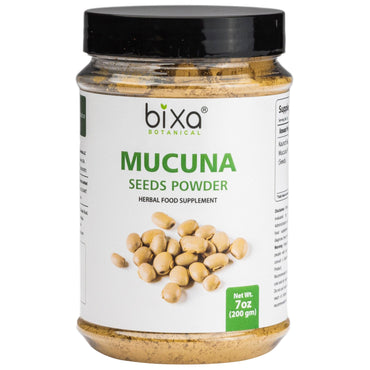
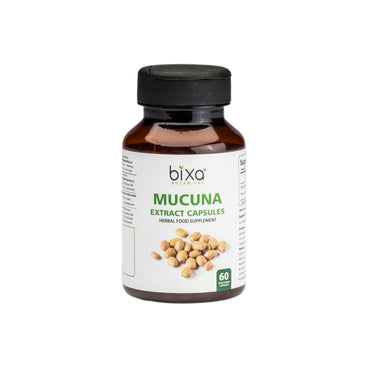
side-effects of Herbal Medicines, if taken in recommended dosage and for specific illness, Like – Mucuna Powder is very good for Nervine Wellness.
Q. Can you make tea from powdered herbs?
Teas can be made by pouring 1 cup of boiling water over 1–2 teaspoons of dried herbs. Cover and let tea steep for 5 minutes or so (roots and bark take longer). Then filter or decant the upper Tea solution and drink.
Q. How you can say, you have Nerve Wellness?
If you can perform your routine physical & mental functions properly, if you have good memory, good mental alertness, all your muscle functions are proper, your motions and urine control is good, then you can say that your Nervous System is good!
Q. How you can judge that you should go for Nervous system check?
If you have regular dizziness or light-headedness, imbalance while walking, mild tremors, muscle weakness and numbness, nervousness, loss of memory, forgetfulness, over sweating or not at all, stomach disturbances, urinary incontinence, Constipation or
control of bowel movements may be lost, issues of smooth muscles – are the signs that you should go for Nervous system Check!
Q. How to achieve your Nerve Wellness?
Maintain your blood pressure levels, have low stress & strain levels, avoid over thinking. Practice - exercising at least 30 minutes daily, at least 5 days of the week, such as of walking, aerobics, riding a bike, or swimming. Try to be happy,
satisfied, do meditation daily and have a good sleep.
Q. Herbs good for Nerve Wellness?
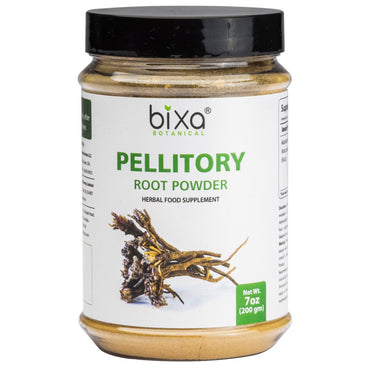
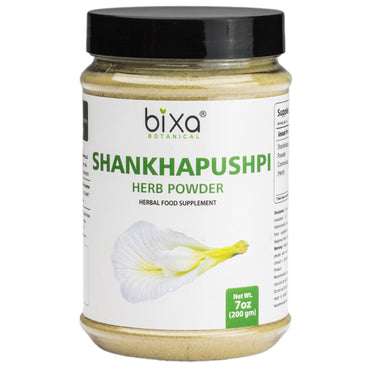
Mucuna, Shankhapuspi, Pellitory, Lavender, Passion flower, Ashwagandha.